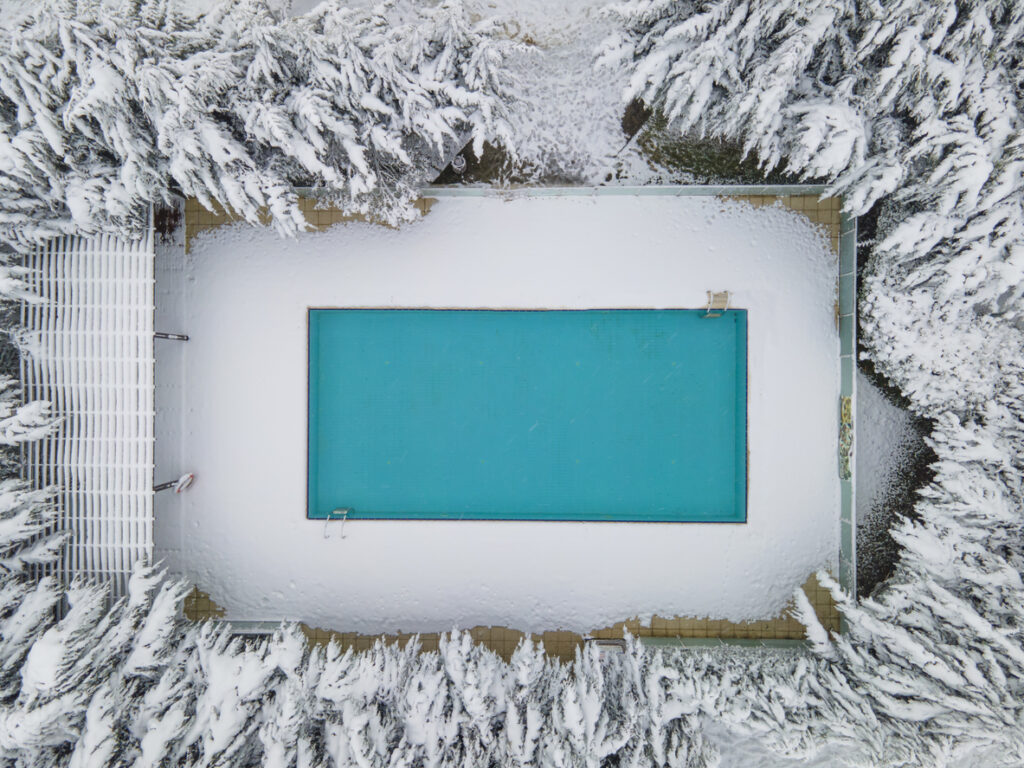
Are pools worth it in colder climates?
March 23, 2026



You don’t have to live in Florida or Arizona to dream about having a swimming pool.
Maybe it’s the middle of summer. The kids are out of school. The sun is finally doing its job again, and the idea of stepping into your own backyard pool sounds exactly right.
But then reality sets in.
If you live in a colder climate, that perfect pool season might only last a few months. And once you start thinking about the cost, maintenance, and how often you’ll actually use it, the question becomes a little more practical:
Is a pool really worth it where you live?
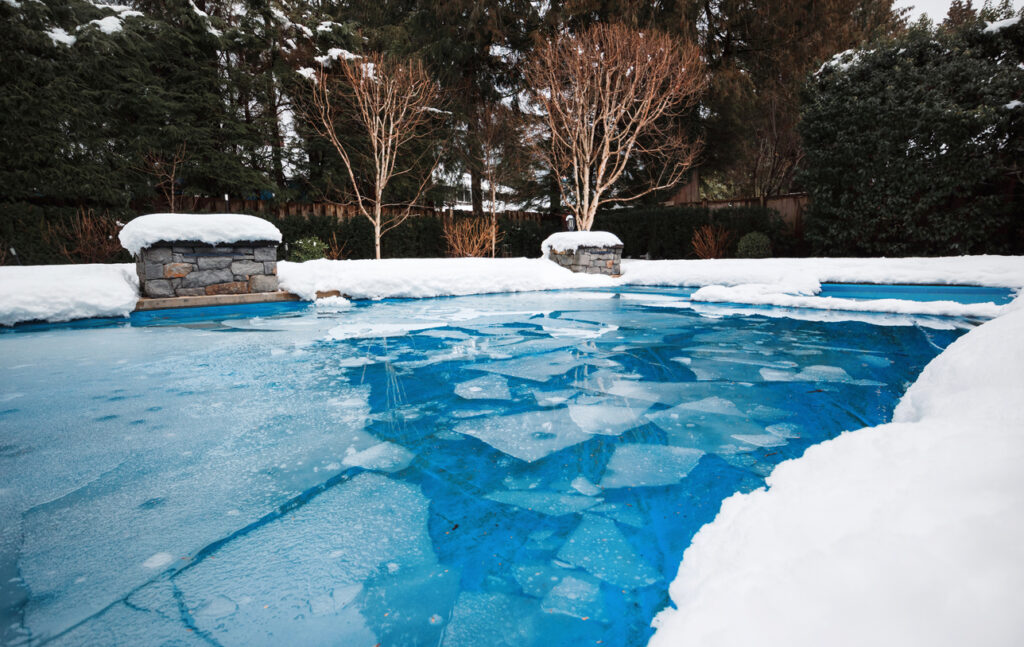
How long can you realistically use a pool in a colder climate?
In many parts of the Midwest and northern states — where winters are long, spring and fall temperatures can fluctuate, and outdoor swimming depends on consistently warm weather — pool season is shorter than most people expect.
In most Midwest climates, homeowners realistically get about 90 to 120 days of consistent pool use each year. And if you live further north, that season can be even more limited.
Located in the heart of the country, Kansas City is often considered a good representation of Midwest weather. Even there, average highs don’t consistently reach the 70s until May, and by September, temperatures are already starting to cool back down. Peak summer months (June, July, and August) bring the most reliable warmth, with highs in the mid-80s to upper 80s, but that window is relatively short.
You can extend your pool use with a heater, but it comes with trade-offs. Keeping water warm when the air is cool takes energy, and those costs tend to show up quickly, especially in the spring and fall when temperatures can shift from warm to chilly within the same week.
Even with a heater, water temperature can lag behind air temperature. After a stretch of cooler days, it can take time — and consistent energy use — to bring the water back up to a comfortable level.
But pool weather is about more than the air temperature. A stretch of rainy or cooler days in June or August can quietly chip away at your usable time.
The true cost of a pool goes beyond installation
The upfront cost of a pool is usually what gets the most attention, especially as bids can easily come in at$50,000 and go over $100,000.
However, the build is only part of how much an in-ground pool will cost. In colder climates, homeowners often add features like heaters or covers to make the most of the shorter season, which can increase that initial investment.
Surrounding elements like decking, landscaping, and fencing also factor into the cost — and over time, they require upkeep as well. In climates with freeze-thaw cycles, materials can shift, crack, or wear down faster, which may mean repairs or updates down the road.
Ongoing costs for a home swimming pool include water care, energy for heating, routine cleaning, and seasonal services all add up over time. Even when the pool isn’t in use, you’re still maintaining it and preparing it for the next season.
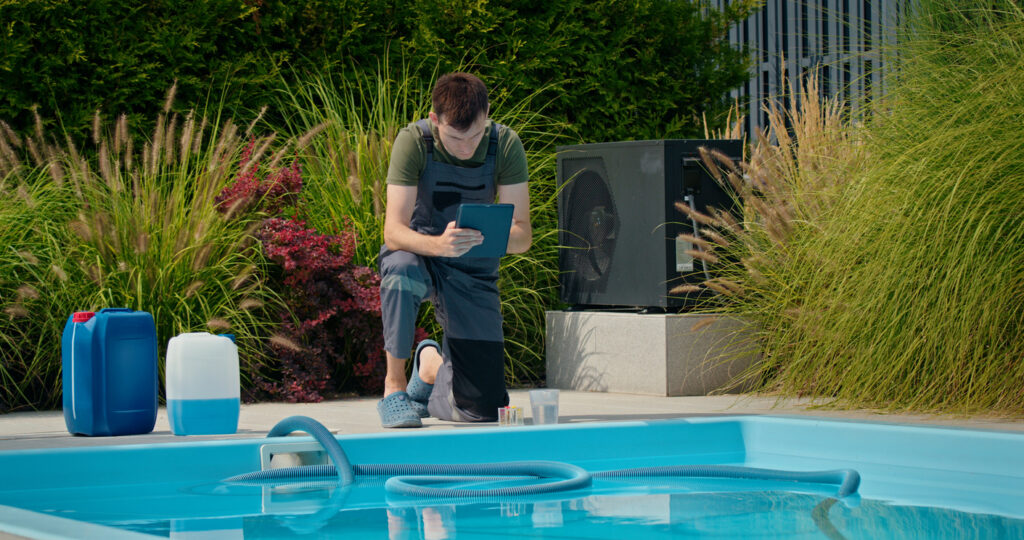
Maintenance doesn’t stop when summer ends
Owning a pool in a colder climate comes with a natural rhythm. You open it in the spring, enjoy it through the summer, and then close it down again in the fall.
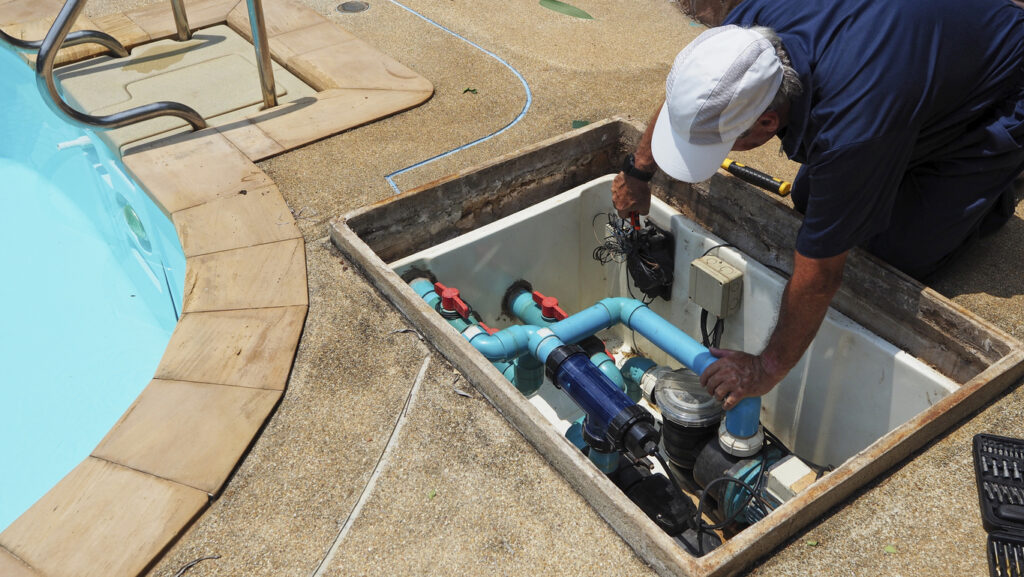
Closing a pool isn’t just putting on a cover. It typically involves lowering the water level, balancing the water chemistry, adding winterizing chemicals, and clearing out any remaining debris. Plumbing lines are also blown out and sealed to prevent water from freezing and causing damage. Once that’s done, a winter cover is installed to protect the pool until spring.
When the weather warms up again, the process starts in reverse. The cover is removed, the pool is cleaned, water levels are restored, and the system is restarted. It can take time to rebalance the water and get everything back to a point where it’s ready to use.
In colder climates, freeze-thaw cycles can lead to surface wear, small cracks, or shifting in areas like decking or coping, which may require maintenance or repairs.
Is it worth it for how you plan to use it?
For some homeowners, a pool is absolutely worth it, even in a colder climate.
It often comes down to how you picture using it.
If you have kids who will be in the water every chance they get, or you enjoy hosting and want a central place for friends and family to gather, a pool can quickly become a favorite part of your home during the summer months.
But if your goal is more about fitness or everyday use, the reality can look a little different. When access is limited to a few months each year, it’s easy for even the best intentions to fade once schedules get busy or the weather shifts.
That’s where the question becomes less about whether a pool is worth it in general and more about whether it fits your lifestyle.
What homeowners in colder climates often look for instead
As more homeowners think through those trade-offs, many start to look for options that align a little more closely with how they want to use their space.
The conversation often shifts toward something that can be used more consistently throughout the year, doesn’t require as much seasonal effort, and fits comfortably into the backyard without turning it into a full construction project.
It’s less about replacing the idea of a pool and more about finding something that works in a different way.
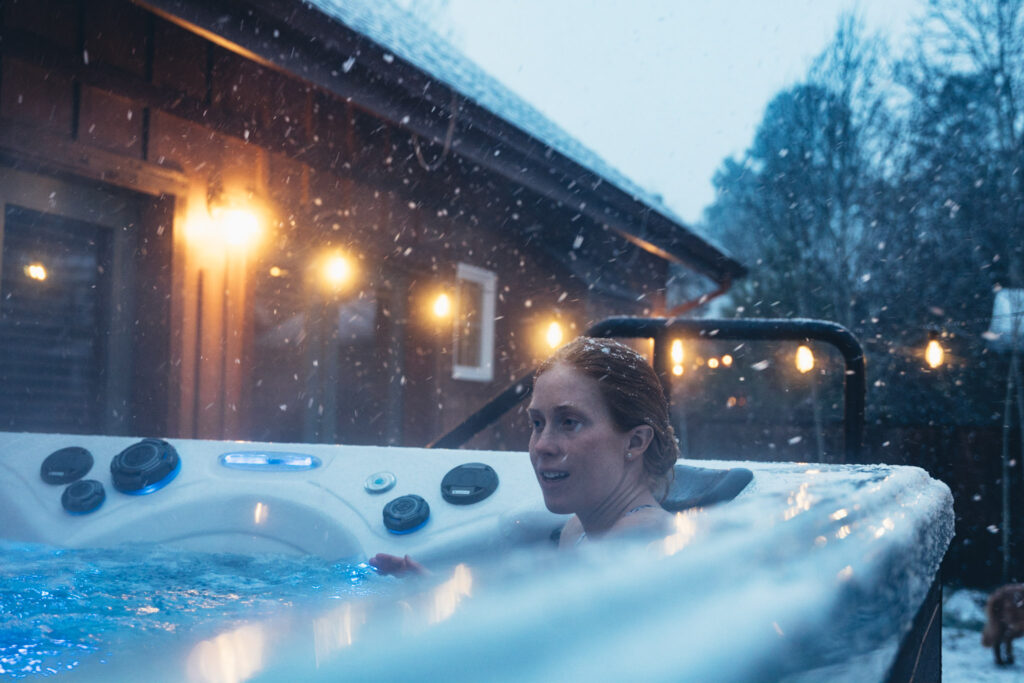
A year-round option to consider
One option that continues to come up in that conversation is a swim spa.
Unlike a traditional pool, which is largely tied to the summer months, a swim spa is designed to be used year-round. Heated water and built-in insulation make it possible to use even when the weather turns cooler, extending your backyard season well beyond what a pool typically allows.
It also offers a different kind of flexibility. You can swim against a current, use it for exercise, or simply take a break and relax in warm water. And because of its size, it tends to fit more easily into a variety of backyard layouts.
For many homeowners, it’s not about replacing a pool outright. It’s about choosing something they know they’ll use more often.
Which option makes more sense for your backyard?
There isn’t a single right answer. It really depends on what you want your backyard to be.
If you’re drawn to the idea of a traditional pool, enjoy the look and feel it brings to your space, and know you’ll make the most of it during the summer, it can be a great addition.
If you’re looking for something that fits into your routine more consistently, offers flexibility for both activity and downtime, and can be used beyond a few short months, it might make sense to explore other options.
Taking the time to think about how you’ll actually use the space, not just how it looks on a perfect summer day, can make the decision a lot clearer.
Frequently asked questions
Are pools hard to maintain in cold climates?
They require a seasonal approach. That means opening in the spring, winterizing in the fall, and staying on top of maintenance throughout the warmer months. Cold weather can also add wear over time, so proper care is important.
Can you use a pool in the winter?
Most outdoor pools in colder climates aren’t used during the winter. While heating is possible, it’s often expensive and not practical for everyday use.
Is a heated pool worth it in the Midwest?
A heater can extend your season, but it also increases operating costs. For many homeowners, it adds a little extra time in the water, but doesn’t turn a pool into something you’ll use year-round.
Why does my pool still feel cold even with a heater?
Even with a heater, outdoor temperatures, wind, and cool nights can affect how warm the water feels. It can take time and consistent heating to reach and maintain comfortable swimming temperatures, especially in climates with frequent temperature swings.
What is a good alternative to a pool in cold weather?
Some homeowners look for options that can be used beyond the summer months. Swim spas, for example, are designed for year-round use and can support both exercise and relaxation.